Remember the pain, Honour the resilience & Celebrate the culture.
Born Free – A March 6th Experience
Flexible13 stopsModerate2 travelers
Starting Point
Cape Coast / Elmina or Accra
Your journey begins here
About this experience
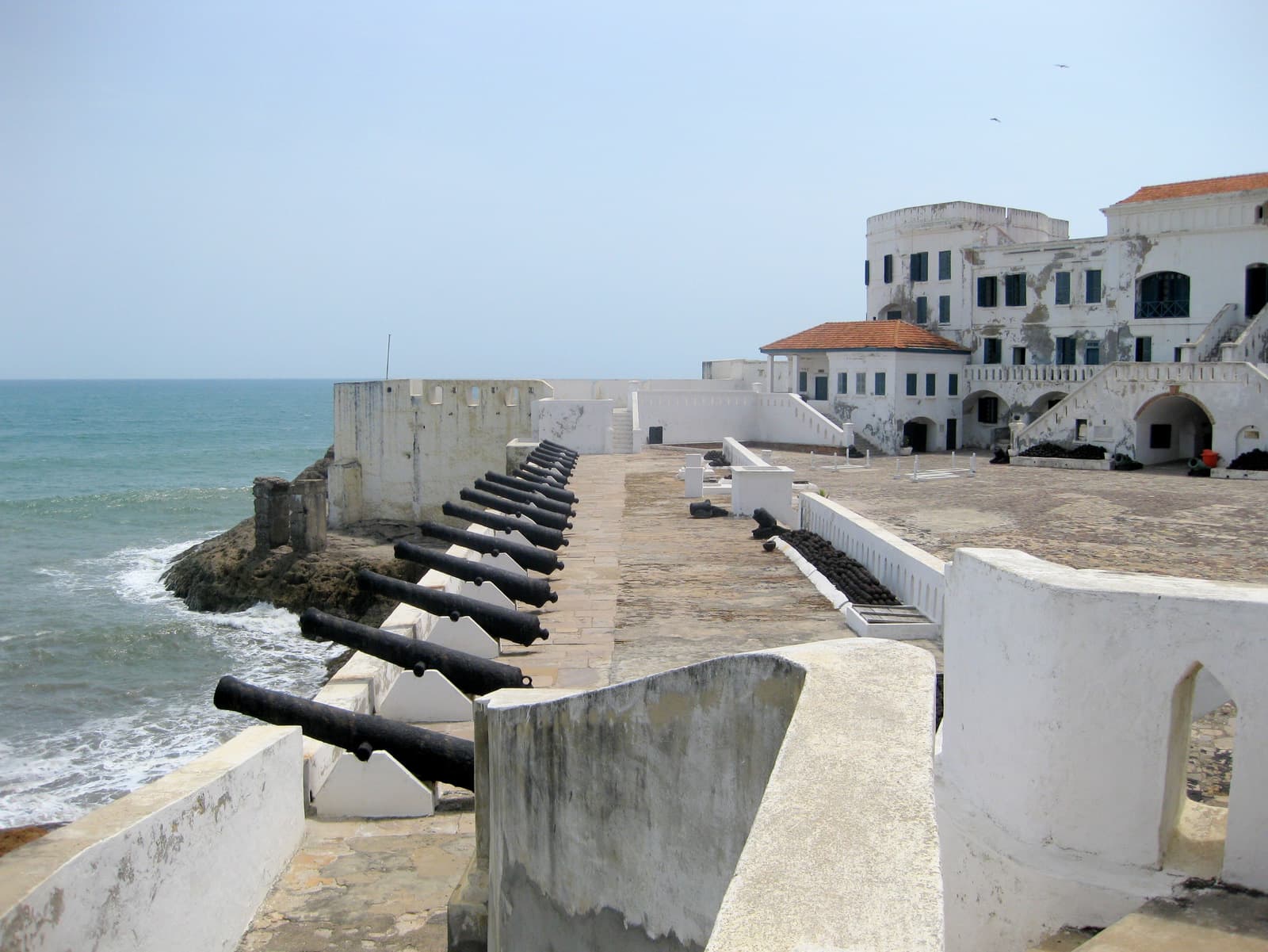
March 6th does not begin loud. It begins heavy. You start at the coast, where the walls have heard more than they should have. At Elmina Castle or Cape Coast Castle, the rooms are smaller than you imagined. The air feels different. You listen. You stand in spaces that once held people who did not know freedom would ever come. It is quiet there. Let it be. Later, you stand somewhere else entirely. Under open sky. At Independence Square or inside the grounds of Kwame Nkrumah Mausoleum. Wide spaces. A country declared its own. The shift is deliberate, from confinement to sovereignty. Then you eat. No reinterpretations. No fusion. Proper local execution. Waakye, wrapped and warm in banana leaves. Fufu turned by hand. Banku and tilapia with hot pepper. Kenkey done right. Tuo Zaafi by Northerners. Food that existed before independence and kept going after it. It tastes like continuity. Somewhere in the day, you use your hands. You weave and realize how much patience it takes. You stamp adinkra onto fabric and feel the meaning behind each symbol. You shape clay. You learn how to prepare a dish properly instead of watching someone else do it. Culture feels different when you touch it. Before the day ends, you make one deliberate choice. You buy from a local artisan. You wear something Ghana-made. You support a fully Ghanaian-owned business. You choose pride on purpose. By nightfall, March 6th feels less like a date on a calendar and more like something living. It is not just history remembered. It is culture carried forward.
Highlights
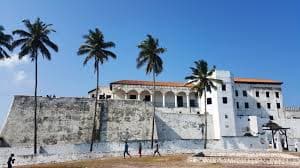
Walk the dungeons at Elmina or Cape Coast Castle and stand at the Door of No Return.
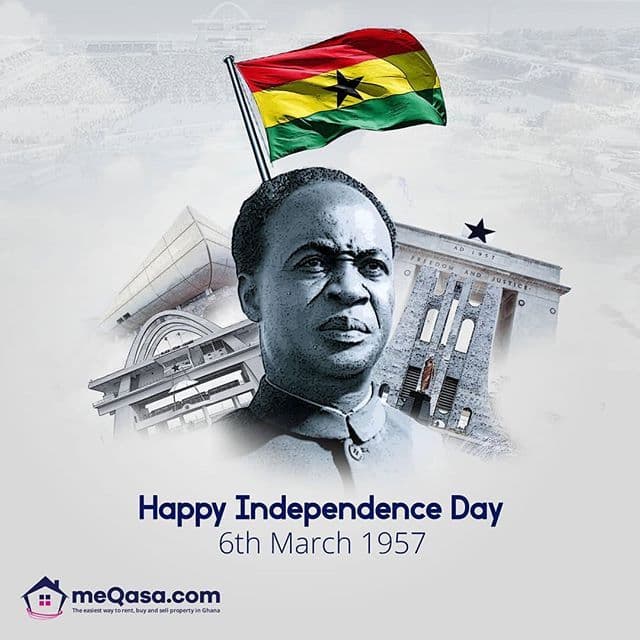
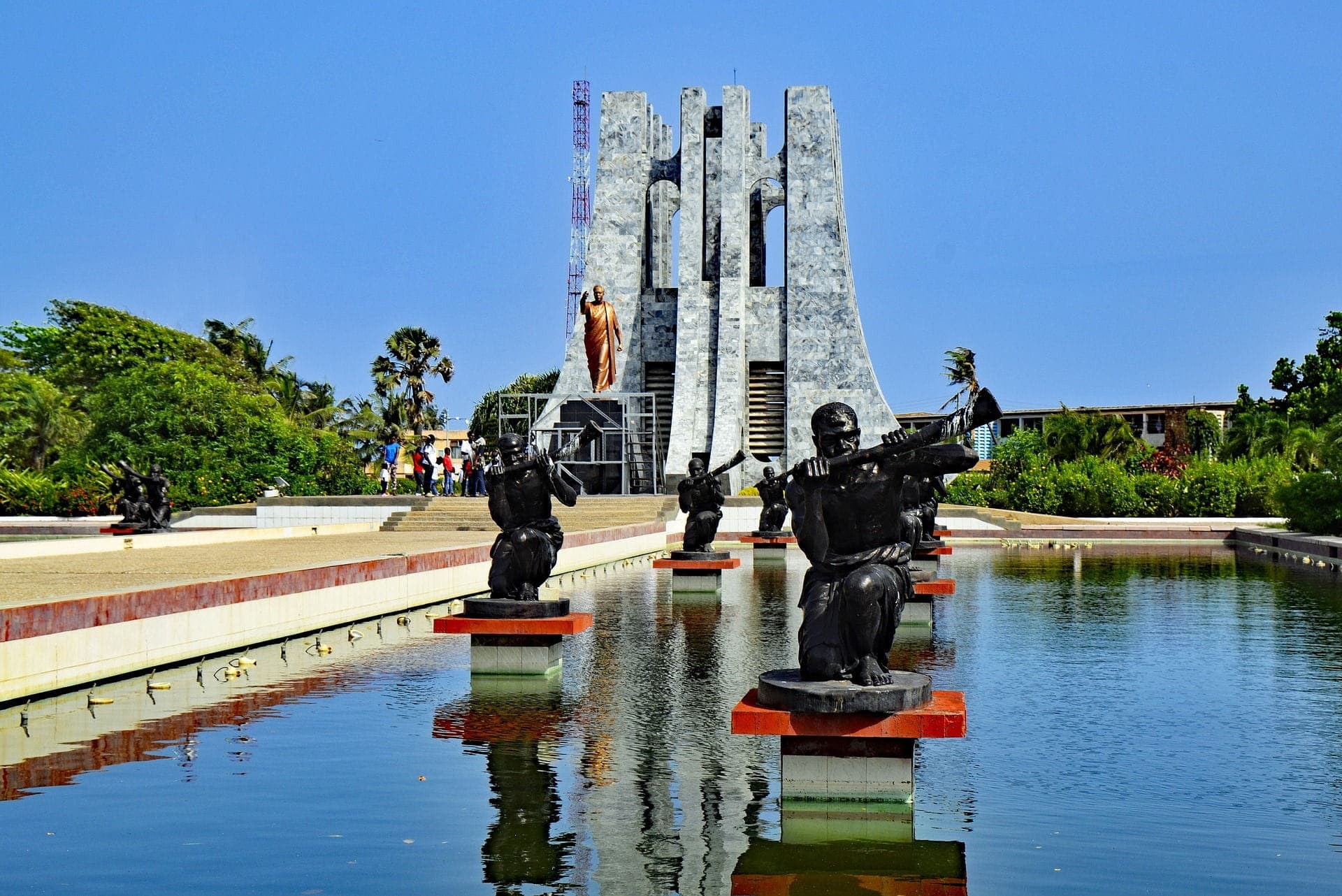
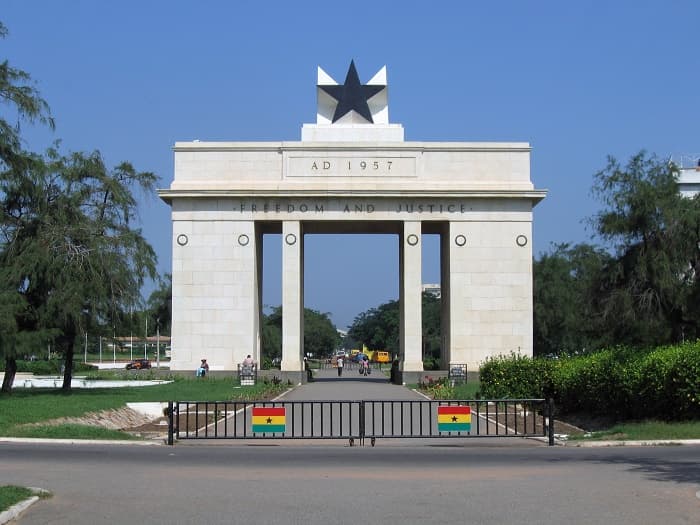
Stand at Independence Square or Kwame Nkrumah Mausoleum and reflect on Ghana’s declaration of nationhood.
Eat foundational Ghanaian dishes exactly as they are meant to be prepared. No reinterpretations.
Participate in hands-on cultural practices such as kente weaving, adinkra stamping, pottery, or traditional cooking.
Make one deliberate choice to support Ghana-made products or Ghanaian-owned businesses.
Before You Go
Practical Tips
- Book hands-on experiences like weaving, adinkra stamping, pottery, or cooking classes in advance, especially around March 6th.
- Arrive early for castle visits to avoid heavy Independence Day crowds.
- Consider taking a guided tour at Elmina or Cape Coast Castle for fuller context.
- Leave Accra early if traveling to the coast to avoid traffic delays.
- Carry cash, especially small cedi notes, as many vendors and artisans do not rely on card payments.
- Wear comfortable shoes because you will be walking for extended periods.
- Dress lightly for the heat, but respectfully for historical sites.
- Ask before taking photographs of artisans or individuals.
- Carry water and stay hydrated throughout the day.
Bucket List Items
1
Remembrance
Elmina
This is where the day begins. Not with celebration, but with memory. At Elmina Castle or Cape Coast Castle, you walk the dungeons. You stand at the Door of No Return. You allow yourself to feel the weight of the space instead of rushing through it. The walls are not exhibits. They are witnesses. Listen. Reflect. Ask questions. Start the day grounded. Freedom means more when you understand what its absence looked like.
2
Nationhood
After remembrance comes declaration. At Kwame Nkrumah Mausoleum or Independence Square, the space opens up. The sky feels wide. The ground feels symbolic. This is where Ghana stepped forward as its own nation. Not quietly. Not partially. Fully. Stand still for a moment. Read the inscriptions. Observe the monuments. Take the photo if you want to, but understand what it represents.
3
Eat Ghana
Independence lives in the kitchen as much as it does in monuments. Choose foundational dishes. Waakye, preferably in the morning. Fufu prepared properly. Banku and tilapia done the way it has always been done. Kenkey with the right pepper. Tuo Zaafi. No reinterpretations. No fusion. Proper local execution. These are meals that existed before independence and survived after it. Recipes carried by families, not institutions. Preservation lives in repetition. Eat slowly. Eat properly. This is continuity on a plate.
4
Participate in Culture
Do not only observe culture. Participate in it. Sit with someone weaving kente and realize how much patience it takes. Stamp adinkra onto fabric and feel the meaning behind each symbol. Shape clay in a pottery session. Learn how to prepare a traditional dish with your own hands. Culture feels different when your hands are involved. Choose one hands-on experience. Let your hands learn something older than you. That is how memory becomes personal.
5
Community & Pride Moment
Before the day ends, you make one deliberate choice. Buy from a local artisan. Wear Ghana-made clothing that day. Support a fully Ghanaian-owned business. Attend a spoken word or cultural performance. Share what you learned with someone. Independence is not just remembered once a year. It is carried forward in small, deliberate choices.
Important Information
Not suitable for:
- Those primarily seeking a high-energy Independence Day celebration centered on parties or nightlife.
- Visitors who may find emotionally heavy historical spaces difficult to engage with.
- Very young children who may not fully understand the context of certain sites.
- Those looking for a fast-paced, entertainment-focused rather than a reflective experience.
- Anyone unwilling to spend time walking and being outdoors in warm weather.